psu ac: A Complete Guide to Power Supply Unit Air Conditioning
Understanding psu ac and Its Core Purpose
The keyword psu ac refers to the air-conditioning or cooling mechanism associated with a Power Supply Unit (PSU). In today’s technology-driven world, electronic devices generate heat while operating. Without proper cooling, this heat can damage internal components, reduce efficiency, and shorten system life.
A psu ac system ensures that the power supply remains cool, stable, and reliable. Whether in computers, industrial machinery, or data centers, proper PSU cooling plays a crucial role in maintaining consistent performance.
What Does psu ac Stand For?
psu ac commonly relates to AC-powered power supply units that use air-based cooling methods. The “AC” highlights alternating current input, while airflow or cooling fans regulate temperature.
Why psu ac Is Important in Modern Systems
Modern systems demand high power output. As power increases, so does heat. A well-designed psu ac prevents overheating, voltage instability, and sudden shutdowns. In short, it protects both hardware and productivity.
See also: The Role of 5G in Transforming the Internet of Things
How psu ac Works in Real-World Applications
Basic Working Principle of psu ac
A psu ac system pulls in cool air and expels hot air generated by electrical components. The process is continuous and automatic, ensuring the PSU operates within safe temperature limits.
Key Components Involved in psu ac
Power Supply Unit
The PSU converts AC power into usable DC power for devices. During this conversion, heat is produced, which must be managed effectively.
Cooling Fans and Airflow
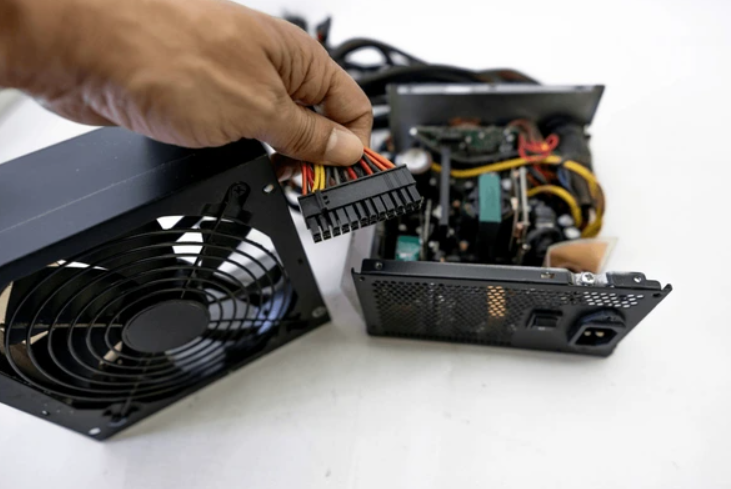
Fans are the heart of psu ac systems. They create airflow that carries heat away from sensitive components, preventing thermal buildup.
Types of psu ac Systems
Internal psu ac Cooling
This type is built directly into the PSU. It is common in desktop computers and servers. Internal fans activate based on temperature levels.
External psu ac Cooling
External cooling solutions assist the PSU by improving overall airflow. These are often used in high-performance systems.
Industrial-Grade psu ac Solutions
In factories and heavy-duty environments, psu ac systems are designed to handle extreme temperatures, dust, and continuous operation.
Benefits of Using psu ac
Improved System Performance
By maintaining optimal temperatures, psu ac ensures stable voltage output and smooth operation, even under heavy loads.
Energy Efficiency and Cost Savings
Efficient cooling reduces power loss due to heat. Over time, this translates into lower electricity bills and reduced maintenance costs.
Extended Equipment Lifespan
Heat is one of the biggest enemies of electronics. A reliable psu ac system significantly extends the life of your equipment.
psu ac in Different Industries
Data Centers and IT Infrastructure
Data centers rely heavily on psu ac to keep servers running 24/7. Proper cooling prevents downtime and data loss.
Manufacturing and Automation
Industrial machines use powerful PSUs. A strong psu ac setup ensures consistent production without overheating failures.
Home and Office Electronics
From gaming PCs to office workstations, psu ac improves reliability and user experience.
How to Choose the Right psu ac
Capacity and Power Requirements
Always match the psu ac capacity with your system’s power load. Undersized cooling leads to overheating.
Noise Levels and Airflow Design
Modern psu ac systems balance airflow and quiet operation, making them suitable for both homes and offices.
Reliability and Build Quality
Choose trusted manufacturers and certified products. A well-built psu ac offers long-term peace of mind.
Common Problems and Maintenance Tips
Overheating Issues
Overheating usually occurs due to poor airflow or failing fans. Regular inspection helps prevent this problem.
Dust and Airflow Blockage
Dust buildup restricts airflow. Cleaning your psu ac system every few months keeps it running efficiently.
Future Trends in psu ac Technology
The future of psu ac includes smart temperature sensors, AI-controlled fans, and eco-friendly designs. These innovations aim to improve efficiency while reducing energy consumption. According to industry research published by trusted technology sources like https://www.energy.gov, advanced cooling plays a major role in sustainable electronics.
Frequently Asked Questions About psu ac
1. What is psu ac used for?
psu ac is used to cool power supply units and prevent overheating in electronic systems.
2. Is psu ac necessary for all systems?
Yes, any system with a PSU benefits from proper cooling to ensure safety and performance.
3. Can psu ac reduce power consumption?
Indirectly, yes. Efficient cooling minimizes energy loss caused by excess heat.
4. How often should psu ac systems be maintained?
Basic cleaning every 3–6 months is recommended.
5. Is psu ac noisy?
Modern designs focus on quiet operation while maintaining effective airflow.
6. Can I upgrade my psu ac system?
Yes, many systems allow upgrades to improve cooling efficiency.
Conclusion
In today’s power-hungry world, psu ac is no longer optional—it’s essential. From protecting valuable equipment to improving energy efficiency and system stability, a reliable psu ac solution delivers long-term benefits. Whether you’re managing a data center, running industrial equipment, or building a home PC, understanding and investing in the right psu ac ensures performance, safety, and peace of mind.