The Role of 5G in Transforming the Internet of Things
The advent of 5G technology marks a significant shift in the landscape of the Internet of Things (IoT). Its high-speed, low-latency capabilities enable devices to communicate seamlessly, fostering efficiency across various sectors. This transformation presents both opportunities and challenges. As organizations explore the implications of enhanced connectivity, they must also navigate potential obstacles in implementation. The intricate relationship between 5G and IoT raises critical questions about future developments and their broader impact.
The Impact of 5G on Smart Homes
As 5G technology continues to roll out globally, its transformative potential for smart homes becomes increasingly apparent.
Enhanced connectivity allows for advanced smart security systems to operate seamlessly, providing homeowners with real-time monitoring and alerts.
Additionally, 5G facilitates efficient energy management, enabling devices to communicate and optimize usage dynamically.
This innovation empowers individuals to create safer, more sustainable living environments, promoting autonomy and control.
Enhancing Smart Cities Through 5G Connectivity
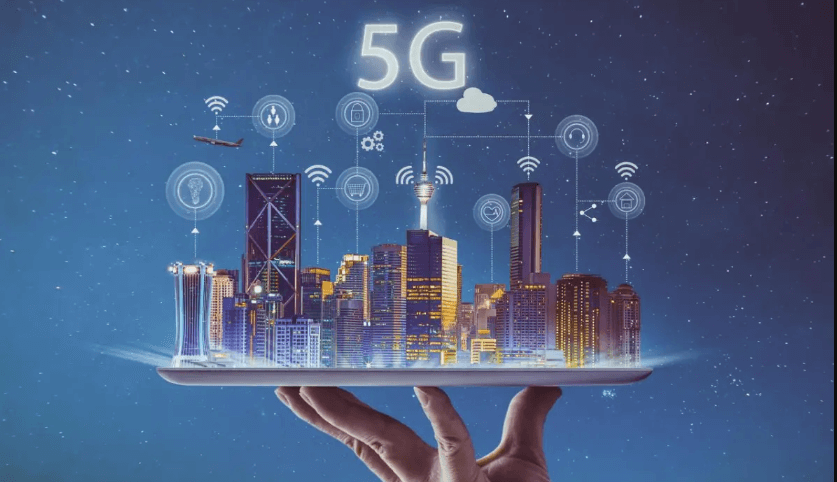
While urban areas face increasing challenges related to population growth and infrastructure demands, 5G connectivity offers a pivotal solution for enhancing smart cities.
This technology enables smart transportation systems and connected infrastructure, fostering real-time data exchange that optimizes traffic flow, reduces congestion, and improves public safety.
As cities embrace 5G, they unlock the potential for sustainable urban development and enhanced quality of life for residents.
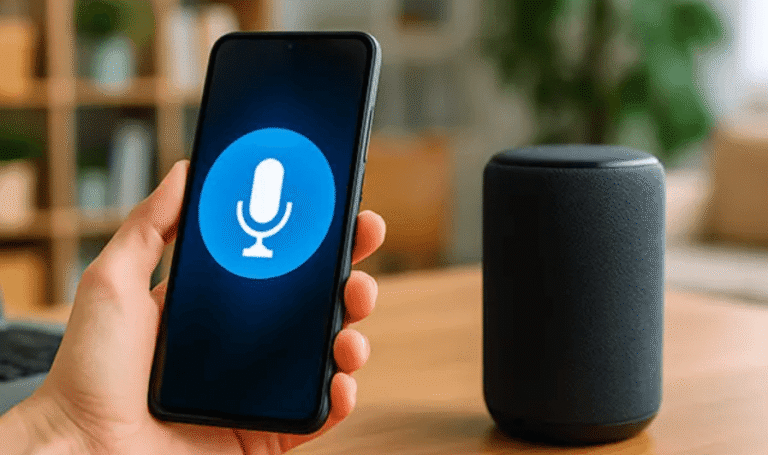
See also: The Rise of Voice Search: What It Means for SEO in 2025
Revolutionizing Industries With 5G and Iot
The impact of 5G connectivity extends beyond smart cities, significantly transforming various industries by enabling the Internet of Things (IoT).
Automated agriculture benefits from real-time data analytics, optimizing crop yields and resource management.
In connected healthcare, 5G facilitates remote monitoring and telemedicine, enhancing patient care and accessibility.
These advancements empower sectors, fostering innovation and operational efficiency while promoting individual freedom and autonomy.
Overcoming Challenges in 5G Implementation
Navigating the complexities of 5G implementation presents significant challenges that must be addressed to fully realize its potential.
Key issues include ensuring robust network security to protect data integrity and privacy, alongside substantial infrastructure investment to support widespread deployment.
Overcoming these hurdles is essential for empowering the Internet of Things, enabling seamless connectivity, and fostering innovation across multiple sectors.
Conclusion
In the grand tapestry of technological advancement, 5G serves as the vibrant thread that weaves together the intricate fabric of the Internet of Things. Its high-speed, low-latency connectivity acts as a catalyst, igniting innovation across smart homes, cities, and industries. While challenges loom on the horizon, the promise of 5G shines brightly, heralding an era where seamless communication transforms the mundane into the extraordinary, empowering a future where interconnected devices harmoniously collaborate for enhanced human experiences.